When a collection agency calls, most people panic, heart rate goes up, pressure kicks in, and suddenly you feel like you have to make a decision right now just to make the problem go away. And that’s exactly where people make the mistake that ends up costing them thousands of dollars or quietly wrecking their chances of getting approved for a mortgage, car loan, or business funding later. This guide is here to slow everything down and show you, step by step, what to actually do when collectors call, how to respond, what to ask for, when to dispute, when to negotiate, and when paying actually makes sense, so you make decisions that protect your credit and your future instead of reacting out of fear.
Step 1. Stay calm and never agree to pay on the first call
Step one is simple but critical: stay calm and never agree to pay anything on the first call. Collectors are trained to push urgency because the moment you feel pressured or embarrassed, you’re more likely to say “yes” just to end the conversation. The problem is that admitting the debt or agreeing to make a payment too quickly can reset legal timelines in some states, lock you into an obligation you haven’t verified, or cost you money on a debt that might even be inaccurate. Instead of paying, your goal on that first call is to gather information, the collector’s company name, mailing address, account number, original creditor, balance they claim you owe, and notice details, so you can review everything calmly and decide your next move with a clear strategy rather than emotion.
Step 2. Confirm Who Is Calling and Document Everything
Your next move is to slow the situation down and make sure you know exactly who is contacting you. Ask for the collection company’s full name, mailing address, phone number, the original creditor, account number, and the amount they claim you owe. Write down the date and time of every call, the name of the person you spoke with, and a short summary of what was said. This might feel unnecessary in the moment, but these notes become critical if the account is inaccurate, if harassment happens, or if legal action ever comes into play. Good documentation gives you leverage, clarity, and protection if you later need to dispute the debt or defend yourself.
Step 3. Request Debt Validation Before Making Decisions
Before you talk about payment, settlements, or plans, you should request debt validation. Under the Fair Debt Collection Practices Act, 15 U.S.C. §1692g, you have the right to ask a collection agency to verify the debt they claim you owe. In most cases, validation includes the amount owed, the name of the original creditor, and confirmation that the collector has authority to collect the account. Many people expect collectors to produce original signed contracts or years of payment history, but those documents are not always required during standard validation. Timing matters, because you generally have 30 days after the first written notice to formally request validation, so acting quickly protects your rights. Once validation is requested, collection activity usually slows or pauses while the agency responds, which gives you breathing room to review the situation and decide your next move with a clear head instead of reacting under pressure.
The Advice “Never Pay Collections” Is Incomplete
You will often hear people say you should never pay a collection account, but real life is more complicated. In some situations, payment or settlement makes sense, especially if you plan to apply for a mortgage, auto loan, or other financing soon and lenders require collections to be resolved before approval. In other cases, disputing inaccurate information or allowing older debts to age off your report creates a better outcome, especially when the account sits close to the reporting limit or legal collection window. Your decision should depend on timing, accuracy of the debt, legal exposure, and future borrowing plans, not internet slogans. The smartest move matches your credit strategy to your personal financial goals, so each action helps your long term plans instead of creating new problems.
Debt Validation Is Real, but Misunderstood
Debt validation gives you the legal right to request proof that a collector has the authority to collect and that the amount claimed is accurate, but many people misunderstand how much documentation agencies actually need to provide. In most cases, collectors only need to show the amount owed, the original creditor, and confirmation that the account was assigned or sold to them, not necessarily an original signed contract or a complete lifetime payment history. Because the legal standard is lower than many consumers expect, agencies often validate accounts successfully. This means validation should be viewed as a strategic first step that creates leverage, slows collection pressure, and forces accuracy, rather than a guaranteed method for removing a debt.
Collectors Buy Debt Cheaply and Rely on Pressure
Most collection agencies are not the original lenders. They buy charged-off debts in bulk for a fraction of the balance, sometimes paying only pennies on the dollar. That means a $5,000 account might have cost them only a few hundred dollars, leaving significant room to negotiate a lower payoff while they still make a profit. Instead of offering discounts immediately, many collectors rely on pressure tactics, urgency, and fear to push consumers into paying the full amount quickly. The less emotional and rushed you are, the stronger your negotiation position becomes, because patience often leads to better settlement options once collectors realize immediate payment pressure is not working.
Paying Collections Doesn’t Always Help Your Score
Many people assume paying a collection automatically raises their credit score, but scoring models treat paid collections differently. Some newer models ignore paid collections, while others still count them as negative items even after payment, which means your score may not improve simply because you paid. Medical collections now receive different treatment in many scoring systems, often having less impact or being removed once paid, unlike typical credit card or personal loan collections. Even when payment does not improve your score much, lenders reviewing mortgage or auto applications often prefer to see collections resolved, so paying or settling may still help loan approval depending on your goals and timing.
Resetting the Clock Risk Most People Never Hear About
Every state sets its own statute of limitations that controls how long a creditor or collector has to sue you for a debt, and once that period expires the debt becomes harder to enforce in court even though it may still appear on your credit report. The risk most people never hear about is that making a small payment or verbally agreeing the debt is yours can restart that legal clock in many states, giving collectors fresh grounds to file a lawsuit. Even casually acknowledging a debt during a phone call may create legal exposure if the collector documents the conversation, which is why rushed calls often work against consumers. To avoid restarting timelines, avoid making payments or confirming ownership before validating the debt, communicate in writing whenever possible, and understand your state’s limitation period before negotiating or settling.
Many Collections Contain Reporting Errors
A large number of collection accounts contain reporting mistakes that consumers never notice until they review their credit reports closely, which creates real opportunities for correction when errors exist. Common issues include duplicate collection entries, incorrect balances that keep growing after charge off, accounts reported under the wrong dates, or debts that belong to someone with a similar name or Social Security number. Identity mixups and outdated accounts that should have already fallen off reports also appear more often than people expect, especially after debts are sold between multiple collectors. Disputes successfully remove accounts when collectors or bureaus fail to verify accurate data, but accounts that are accurate and properly documented usually remain even after disputes.
Why Mainstream Advice Oversimplifies Debt Strategy
Most public advice about collections gets simplified into extreme positions because nuance doesn’t attract clicks or sell services. Influencers and social media creators often push aggressive tactics because bold claims travel faster than careful strategy, while collectors rarely explain consumer rights since confusion works in their favor. At the same time, marketing from both sides turns complex debt decisions into simple slogans like “never pay” or “always dispute,” even though real outcomes depend on timing, accuracy, and personal financial goals. Smart debt handling requires planning, documentation, and understanding your long-term credit needs rather than reacting emotionally to pressure or viral advice.
Real World Collection Scenarios and Best Moves
Collection strategy changes based on timing, accuracy of the debt, and your financial goals, so the right move in one situation becomes the wrong move in another.
Example A, a buyer seeking a mortgage within the next six to twelve months often needs to resolve collections quickly because many lenders require accounts to show paid or settled status before approval, so disputing aggressively or waiting risks delaying closing, while negotiating a settlement or pay for delete agreement often protects the loan timeline.
Example B, when a debt approaches the seven year credit reporting fall off date, paying or interacting with collectors often makes little sense because the account soon disappears from reports anyway, so minimizing communication and avoiding actions that revive the debt often works better than rushing into payment.
Example C, when a collection reports an incorrect balance or duplicates an account, disputing first becomes the strongest move because correcting inaccurate data sometimes leads to removal or leverage for a lower settlement later if validation confirms ownership.
Example D, when lawsuit risk appears real, such as receiving attorney letters or court notices, ignoring calls becomes dangerous and negotiation or settlement usually protects finances faster than prolonged disputes, especially when wage garnishment or judgments become possible.
Each scenario requires a different response, and the smartest move always matches your credit goals, legal exposure, and timeline rather than following blanket internet rules.
Why Debt Validation Remains Powerful Even When Debts Are Real
Debt validation still works in your favor even when the debt truly belongs to you because agencies must prove they own or service the account before collecting, which prevents random or mistaken collection attempts from moving forward without documentation.
Requesting validation also slows aggressive collection pressure since agencies pause active collection efforts while gathering records, which gives you breathing room to evaluate your options instead of making rushed decisions under stress.
The process creates a paper trail showing when contact happened, what was requested, and how the agency responded, which protects you if disputes, complaints, or legal issues later arise.
Most importantly, forcing documentation often improves your negotiation position because agencies know you understand the process, making them more willing to accept settlements or payment plans instead of pushing for full balances immediately.
Exact Scripts Collectors Use to Trap People
Collection calls follow predictable patterns. Agents train to guide conversations toward fast payment, debt admission, or access to your banking details. Understanding these scripts helps you slow the conversation, protect your rights, and keep control instead of reacting under pressure.
Script Used to Force Immediate Payment Commitment
Collectors often say things like, “If you take care of this today, we can close the account and stop further action,” or “What card would you like to use to resolve this right now?” The goal involves pushing you into a quick payment decision before you review the debt or understand consequences.
Script Used to Get Debt Acknowledgment
Another common approach sounds like, “You’re aware this account is yours, correct?” or “You remember opening this card, right?” Once you verbally confirm ownership, agencies treat that statement as acknowledgment, which weakens dispute leverage.
Script Used to Create Guilt Pressure
Collectors frequently appeal to responsibility by saying, “You borrowed the money and never paid it back,” or “Don’t you want to resolve your obligations?” Emotional pressure increases the chance people agree to payments they cannot afford.
Script Used to Reset Statute of Limitations
Some collectors ask, “Can you at least make a small good faith payment?” Even a tiny payment or promise sometimes restarts legal collection timelines in certain states, which exposes consumers to renewed lawsuit risk.
Script Used to Collect Bank or Card Information
Agents may say, “Let’s secure your payment details now and process later,” or “We’ll hold the payment so the account doesn’t escalate.” Once financial details get shared, withdrawals sometimes occur before disputes or negotiations finish.
Explanation of Psychological Tactics Behind Scripts
Collectors rely on urgency, authority tone, guilt pressure, and conversational traps. People feel stress when hearing words like “legal action,” “escalation,” or “final notice,” and stress pushes fast decisions instead of strategic ones.
Recommended Safe Responses Consumers Should Use Instead
Safe responses include, “Please send debt validation in writing,” “I do not discuss debts by phone,” and “All communication must happen through mail.” This keeps conversations documented and prevents accidental admissions or rushed payments.
Settlement Negotiation Tactics Collectors Rarely Reveal
Most people negotiate from fear. Collection agencies negotiate from math. Accounts often get purchased cheaply, which leaves room for reduced settlements if you approach negotiations with patience and documentation instead of urgency.
Best Timing for Settlement Offers
Settlement flexibility often increases after accounts sit in collections for months or after agencies attempt repeated contact without success. Older accounts often receive larger discounts because recovery chances drop over time.
Typical Settlement Percentage Ranges
Many settlements land between 30 percent and 60 percent of the balance, though results depend on account age, creditor type, and collection history. Medical and older debts sometimes settle lower, while newer accounts settle closer to full balance.
Lump Sum Versus Payment Plan Leverage
Lump sum offers usually secure better discounts because agencies recover cash immediately. Payment plans reduce leverage because agencies carry risk across months, which leads them to demand higher total repayment.
How Silence and Patience Improve Offers
Collectors often start negotiations high and lower numbers after repeated refusals or silence. People who rush into early offers often pay more than necessary. Waiting shifts pressure back onto the collector.
Negotiating Removal or Reporting Updates
Some agencies agree to update accounts as settled or request removal in exchange for payment, though policies vary. Consumers must request reporting outcomes clearly before agreeing to settle.
Getting Settlement Agreements in Writing
Never rely on phone promises. Written settlement letters must include payment amount, settlement terms, and reporting outcome before money changes hands. Documentation protects against future collection attempts.
How to Avoid Paying Without Documentation
Never send payment before receiving written confirmation. Use traceable payment methods, keep copies of letters, and confirm account status updates after payment processes. Documentation prevents future disputes and duplicate collection attempts.
Step by step action plan when collections call
When a collection agency calls, you need a process. Not emotion. Not panic. Follow this sequence.
Do not admit debt or pay immediately. Do not say yes, do not confirm the balance, do not agree to anything. Your goal on the first call is to identify the caller and end the conversation clean.
Request validation in writing. Tell them you want validation mailed to you. Give them your mailing address only if you choose to. Then send your own written request for validation so you control the paper trail.
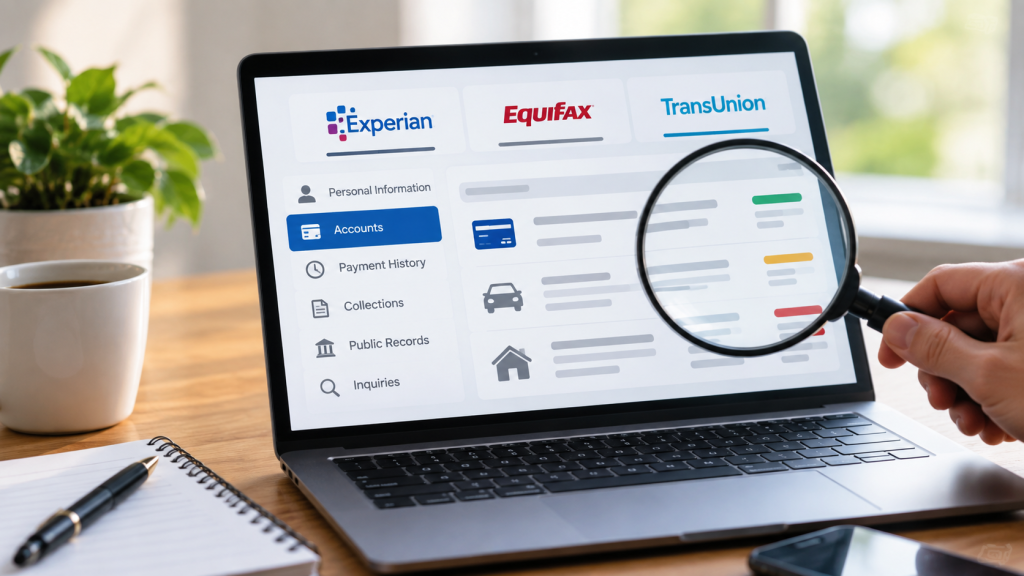
Review your credit report accuracy. Pull your reports from all three bureaus and compare the collection entry to what the caller claims. Look for wrong dates, wrong balance, duplicate reporting, and accounts that do not belong to you.
Check statute of limitations timing. Find the date of first delinquency and compare it to your state rules. Do not make payments or acknowledge debt until you know where you stand legally.
Decide dispute, negotiation, or payment path. If the account is inaccurate or unverifiable, dispute first. If you need approval soon and the debt is valid, negotiate a settlement with terms in writing. If timing and underwriting require payoff, pay with a written agreement and proof.
Document every interaction. Track call dates, names, phone numbers, and summaries. Save letters, emails, and screenshots. If the situation escalates, your records become your leverage.
Common mistakes people make with collection accounts
Most collection damage does not start with the debt itself. It starts with mistakes people make under pressure. Many consumers rush decisions, skip documentation, or act without a plan, and those moves cost money, credit score points, and future loan approvals.
Paying without written agreement is one of the biggest errors. People send money after a phone promise, then discover the account still reports negatively or the balance was not updated correctly. Without written settlement terms, you have little protection.
Ignoring lawsuit notices creates another serious problem. Some people assume collection letters are empty threats, then miss court deadlines and end up with default judgments, wage garnishments, or bank levies that could have been avoided with early action.
Disputing accurate debts incorrectly also causes issues. Filing disputes on accounts that are accurate and verifiable wastes time and sometimes triggers updated reporting that hurts credit timelines instead of helping them.
Applying for loans before creating a cleanup strategy leads many borrowers into avoidable denials. Mortgage lenders, auto lenders, and underwriters often flag unresolved collections, so applying before disputes or settlements are handled often forces rushed payments or delays approvals.
Smart handling means planning first, documenting everything, and moving with strategy instead of reacting emotionally.
FAQs people ask about collection agencies
Below are common questions people search when dealing with collections. Clear answers help you avoid rushed decisions and protect your credit and finances.
Should I talk to collection agencies on the phone
You can speak with them, but keep conversations short and focused. Do not admit the debt, agree to pay, or give banking details over the phone. Ask for written information and follow up in writing so you keep a record of everything.
How long do collections stay on a credit report
Most collection accounts remain on your credit report for seven years from the date of first delinquency with the original creditor. Paying or settling the account does not restart this reporting timeline.
Does paying a collection delete it from my credit report
Payment usually updates the account to “paid” or “settled,” but the collection often remains on the report until it ages off. Some collectors agree to pay-for-delete arrangements, but this is not guaranteed and must be confirmed in writing.
Can collectors still sue after many years pass
Collectors can sue only while the debt remains within your state’s statute of limitations. After that period expires, the debt still exists, but lawsuits typically cannot proceed successfully. Making payments or acknowledging the debt may restart this timeline in some states.
Can collectors call me at work or contact my family
Collectors are restricted in how they contact you. They generally cannot discuss your debt with friends or family and must stop calling your workplace if you tell them your employer does not allow such calls.
What happens if I ignore collection calls completely
Ignoring calls does not make the debt disappear. Accounts may move to lawsuits or wage garnishment if legal action begins. Responding strategically, requesting validation, and planning your next steps protects you better than silence.
Will settling a collection help me qualify for a mortgage or auto loan
Many lenders prefer paid or settled collections before approving loans, even if credit scores do not increase significantly. Loan approval often depends on underwriting rules rather than score alone.
Can a collection account show up more than once on my report
Yes, duplicate reporting sometimes appears when debts are sold multiple times. Duplicate entries are disputable errors and often get corrected or removed when challenged properly.
Do all collectors need to provide full contracts and payment history
Collectors usually must show the debt amount, original creditor, and proof they have authority to collect. They do not always need to provide original signed contracts unless the matter escalates legally.
Should I settle or wait for collections to fall off my credit report
The best move depends on your goals. If you need financing soon, settlement may help underwriting approval. If accounts are near fall-off and no legal risk exists, waiting may make more sense. Strategy depends on timing and personal plans.
Bottom line truth
Handling collections the right way comes down to discipline and strategy, not panic or pressure. Always verify the debt first, confirm that the reporting is accurate, understand your state’s legal timelines, and negotiate carefully before sending any money. Payment should support your financial goals, loan plans, and long term credit recovery, not simply stop an uncomfortable phone call. When you slow the process down and make decisions with a plan, you protect both your money and your future borrowing power.
If collection accounts, charge offs, or reporting errors are holding your credit back and you want professional help building a clear recovery strategy, reach out to Credit Repair Dudes. Our team reviews your reports, identifies dispute opportunities, and helps you create a plan that moves your credit in the right direction so you can qualify for the approvals you need.
Author Profile

- Michael Harrington is a senior credit analyst and contributor at Credit Repair Dudes, specializing in consumer credit reporting, dispute methodology, and long-term credit profile improvement. With extensive experience analyzing bureau data, lender behavior, and FCRA compliance, Michael focuses on helping consumers understand how credit decisions are actually made, and how to protect and improve their credit responsibly. His work emphasizes accuracy, transparency, and practical strategy over shortcuts or gimmicks.
Latest entries
 Credit EducationFebruary 20, 2026Legal Harbor Review (2026) — Is It Legit or Worth It?
 Credit EducationFebruary 8, 202620 Credit Report Terms Everyone Should Know Before Applying for a Loan
 Credit EducationFebruary 3, 2026What to Do When a Collection Agency Calls You, Step by Step Guide
 Credit EducationJanuary 26, 2026Sky Blue Credit Repair Reviews — In-Depth, Neutral Analysis